Houston Business Tax Accountant Alternative An invoice recorded once
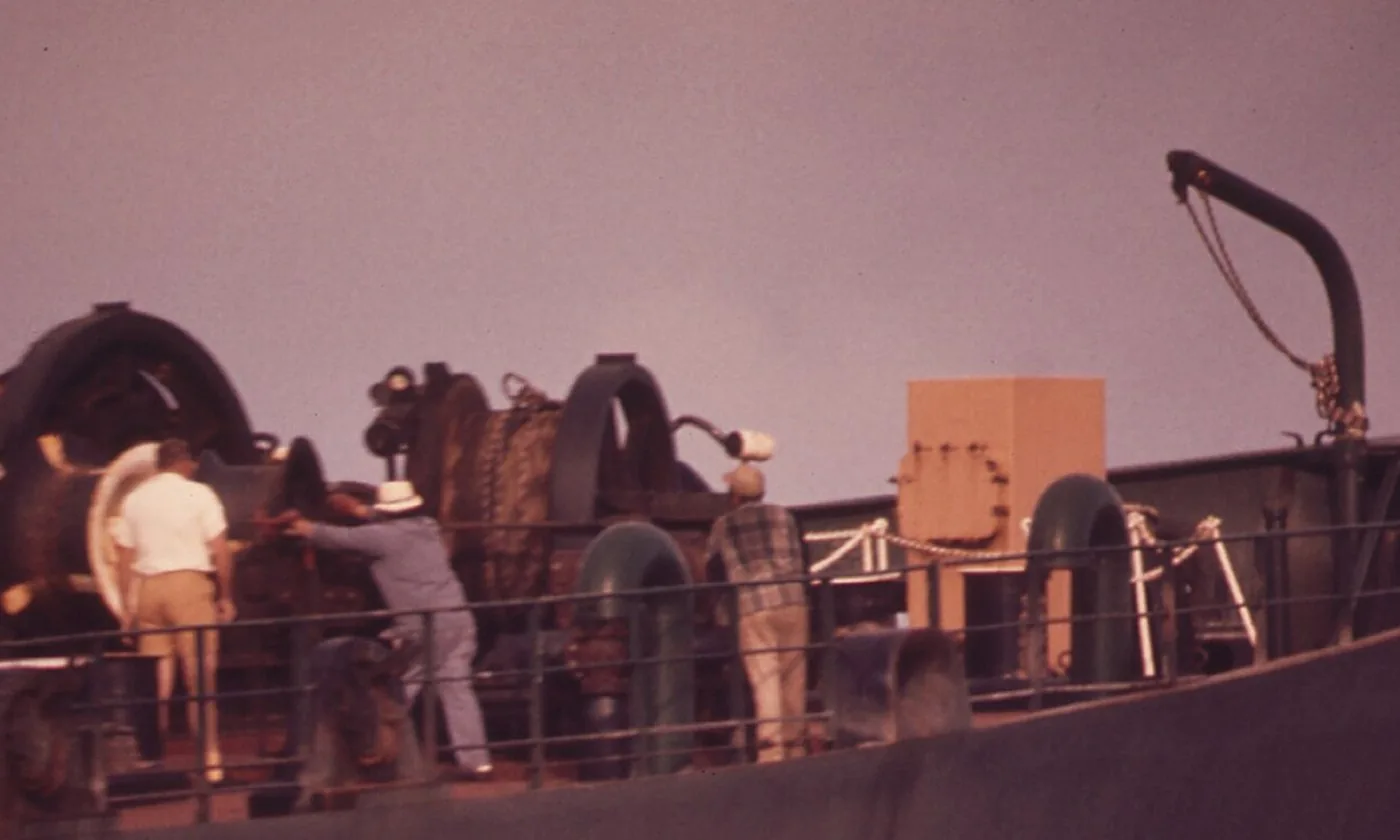
A composite from the Ship Channel. One invoice, one set of books, no client, no tax due.
A composite from the Ship Channel. One invoice, one set of books, no client, no tax due.
Picture a service company and a second company that owns the trucks. The work is along the Ship Channel. The service company billed a customer. The truck company billed the service company for the trucks. Only one of those inside invoices was entered, and it was entered in only one file.
That scene is a composite. It is not a client. It names no one. It states no tax due and no refund. It is here so you can see the shape of the problem without handing us a real file first.
The customer invoice and the truck invoice are different. The customer invoice is a sale. The truck invoice is a crossing between your own companies. Mixing them into one deposit report is how both go wrong.
The missing side of that invoice still has to be written down before the month closes.
We would open both files. We would find the truck invoice in the company that recorded it. We would look in the other company for the matching bill or the matching income. If it is absent, the item stays open on the close.
We would not net the two companies so the missing side stops showing. The net would look smoother and the books would be worse.
We would ask which company employs the people and which company owns the trucks, because owner pay and the truck cost do not automatically share a file. The election on each company still has to be known before owner pay is placed.
Then we would close whichever month already matches that company's bank account, and we would leave the other month marked open. The return follows that order.
Your trades can differ from the Ship Channel composite and the lesson still holds. Two companies share one invoice inside the pair, and one side of that invoice was never written down.
A second photo of the channel is not a second copy of your books. Your books are the logins. Bring those, for both companies, when you want us to look at a real invoice.
If a lender is also asking for a signed report on these numbers, stop at the disclosures page before you book a long project. We will still look at the invoice. We will not sign the report.
Describe the invoice in a sentence or two. Which company recorded it. Which company was supposed to. Which month. Those four details are plenty for the first message, and the file itself can wait.
No attachments needed on the first note. Say which side was recorded.
 You will be talking to the Steven Palmieri practice.